
A Country That Reads in Pictures
In Japan, manga isn’t an industry—it’s culture at scale. A journey through the habits that made it so
24 April 2026· 13 min read
TL;DR
During a trip to Japan, the author reflects on a nation utterly captivated by reading, from metro commuters of all ages devouring books and manga to staggering national statistics on graphic novel consumption. This isn't just a trend; it's a $30 billion cultural powerhouse where anime and manga dominate global sales. The roots of this visual storytelling run deep, predating modern publishing to Edo Japan, where high literacy and unique woodblock printing taught people to "read images" alongside text. From ancient prints and Hokusai's early "manga" sketches to today's vibrant anime, Japan's love for pictorial narratives is a fascinating, deeply ingrained cultural habit.

Having retired from my corporate 9 to 5, I found myself with the luxury of time. This particular year was the year of travel, and for a variety of reasons, first on my list was Japan.
As I rode the metros around Japan, I was struck by the number of people reading. Some were reading a book; others were reading manga—either hard copies or on their phones. Sure, there were people texting and on TikTok, but I would say half the carriage was reading. And this was every age group, every demographic. Elderly women with grocery bags, schoolkids as young as seven, and suited office workers.
I tried to figure out a statistic to see if Japan reads more than other countries. If I include graphic novels (but not periodicals—I couldn’t find a way to do that), Japan stands at a whopping 13 books sold per person per year, dwarfing the UK's 4.8 per person. In fact, it’s more than double of the highest country I could find (if you’re curious, it’s Finland at 6 per person).
Somewhere between those metro rides, a question began to form: What kind of country produces this?
The numbers are telling.
Anime, the Japanese style of animation, is a $25 billion industry, including anime merchandise (for context, Japan’s foreign tourism is $35 billion). Add manga, and the combined number sits at roughly $30 billion, with about half coming from abroad.
Globally, manga dominates. About 45% of all comics and graphic novels sold are manga. In the US, that number is over 50%. In Germany, closer to 70%.
Though even these numbers lie a little. Manga is cheaper—softcover, black-and-white, mass printed. And these numbers don’t include the people consuming it digitally, often for free.
So the real question isn’t just scale.
What is it about Japan that makes this possible at all?
The habit of reading
The answer, I suspect, begins long before anime and manga, or even the modern idea of publishing.
At the newly reopened Edo-Tokyo Museum, there is a small, almost forgettable image.
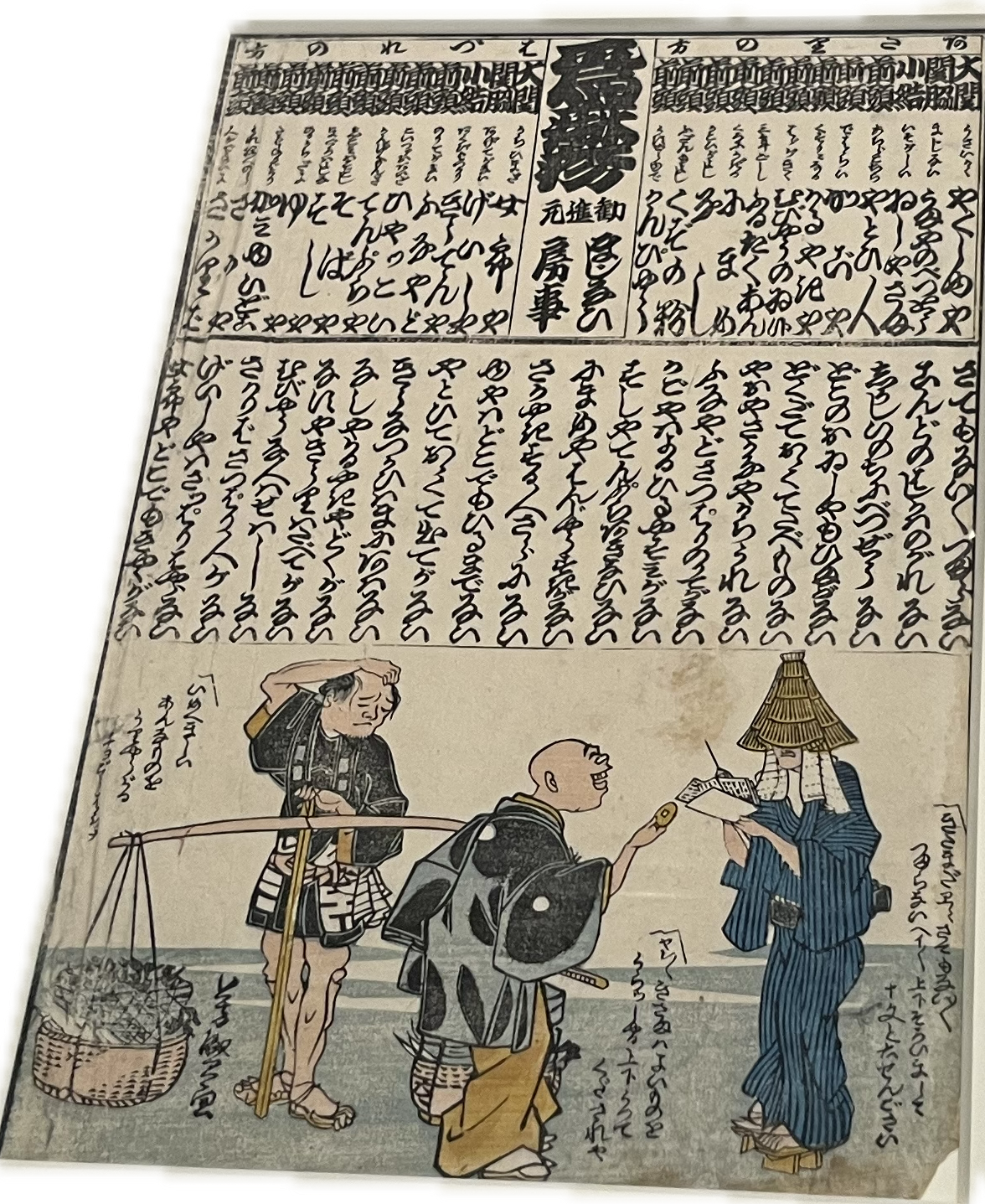
A man is being paid for a woodblock print—something like a newspaper of its time. He covers his face, not out of modesty, but because he doesn’t want to be held accountable for what’s printed. Woodblock printing, far from being state sanctioned, was published in corner shops by those driven to do it.
Edo Japan had some of the highest literacy rates in the world. All Samurai and their wives simply had to read, because it was part of their job, to collect taxes (and also to write poems). By 1850, the end of the Edo period, literacy stood at roughly 60–70%, comparable to England at 67% and higher than France’s 55%. And this wasn’t literacy in the loose European sense of being able to sign your name. In Japan literacy meant recognising the 46 Kana letters.
There’s a saying from the time: get three Japanese together, and they will start a paper.
These weren’t newspapers in the modern sense. They included gossip, short stories, fighting manuals, news when available—whatever people wanted to write and read.
But what mattered more was how they were made.
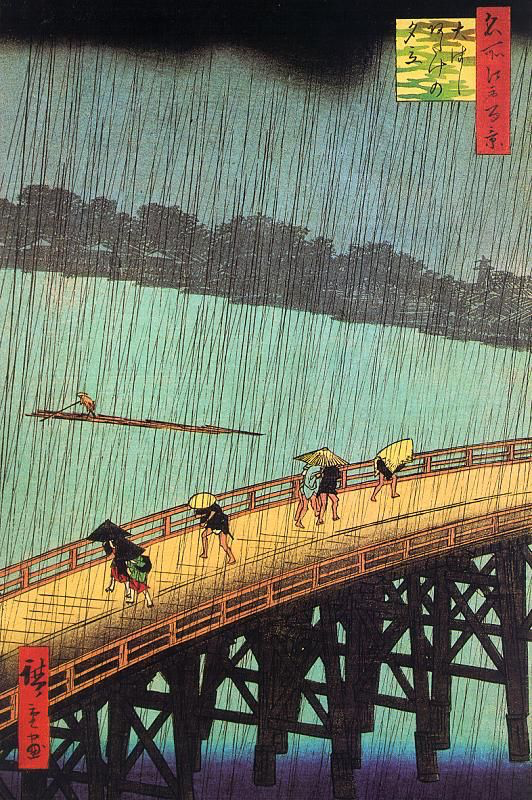
Unlike the movable type printing presses of the West (where cut out letters would be rearranged), Japanese prints were carved into woodblocks. Text and image were created together. Which meant something subtle but important: In Japan, people didn’t just learn to read words. They learned to read images alongside them.
When pictures took over
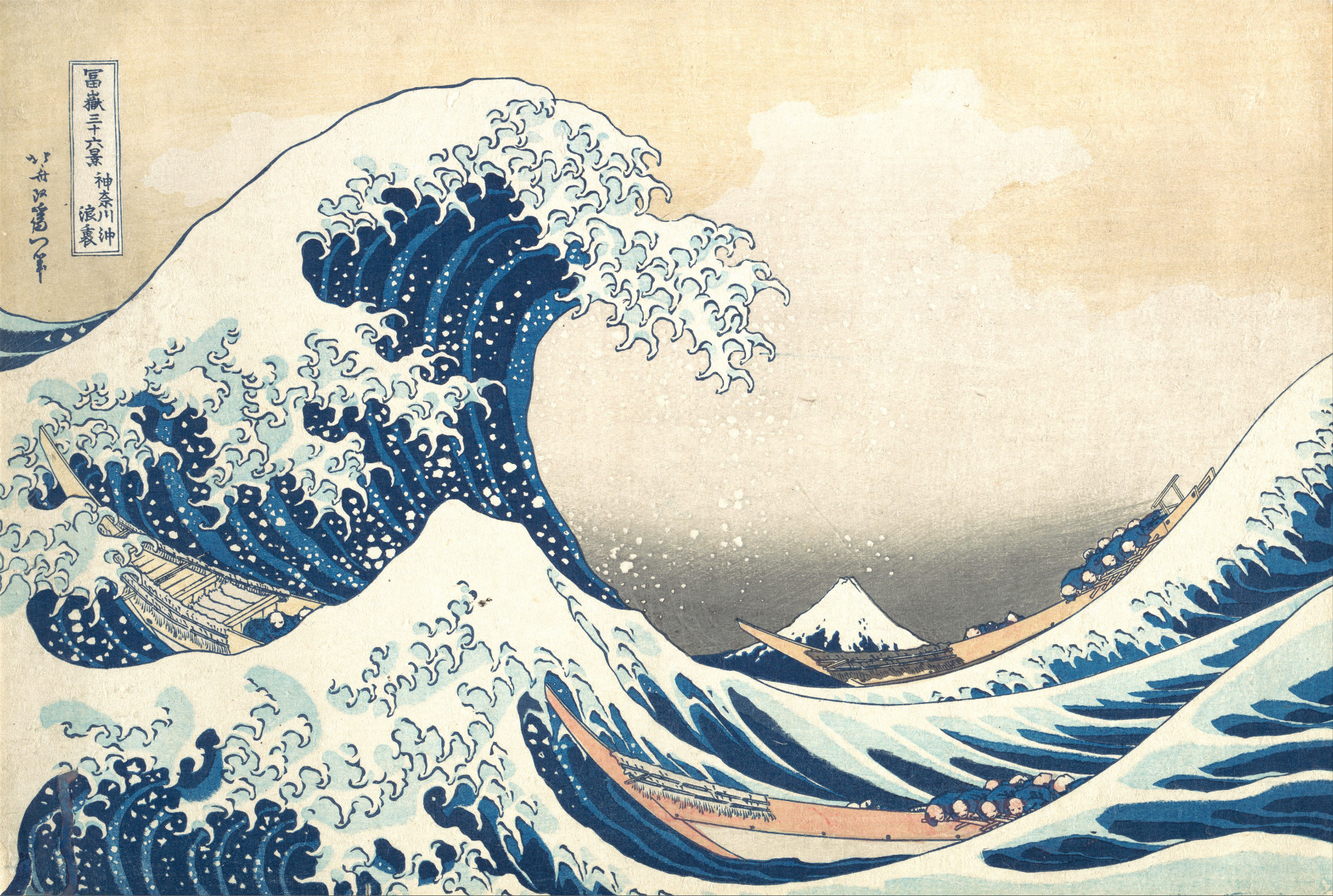
A short walk away from the Edo-Tokyo Museum is the Sumida Hokusai Museum, dedicated to Katsushika Hokusai—the man behind The Great Wave you’ve seen on a thousand fridge magnets and water bottles. I was enthralled by the quiet reverence that surrounded the space. One was not allowed to take photographs through the experience.
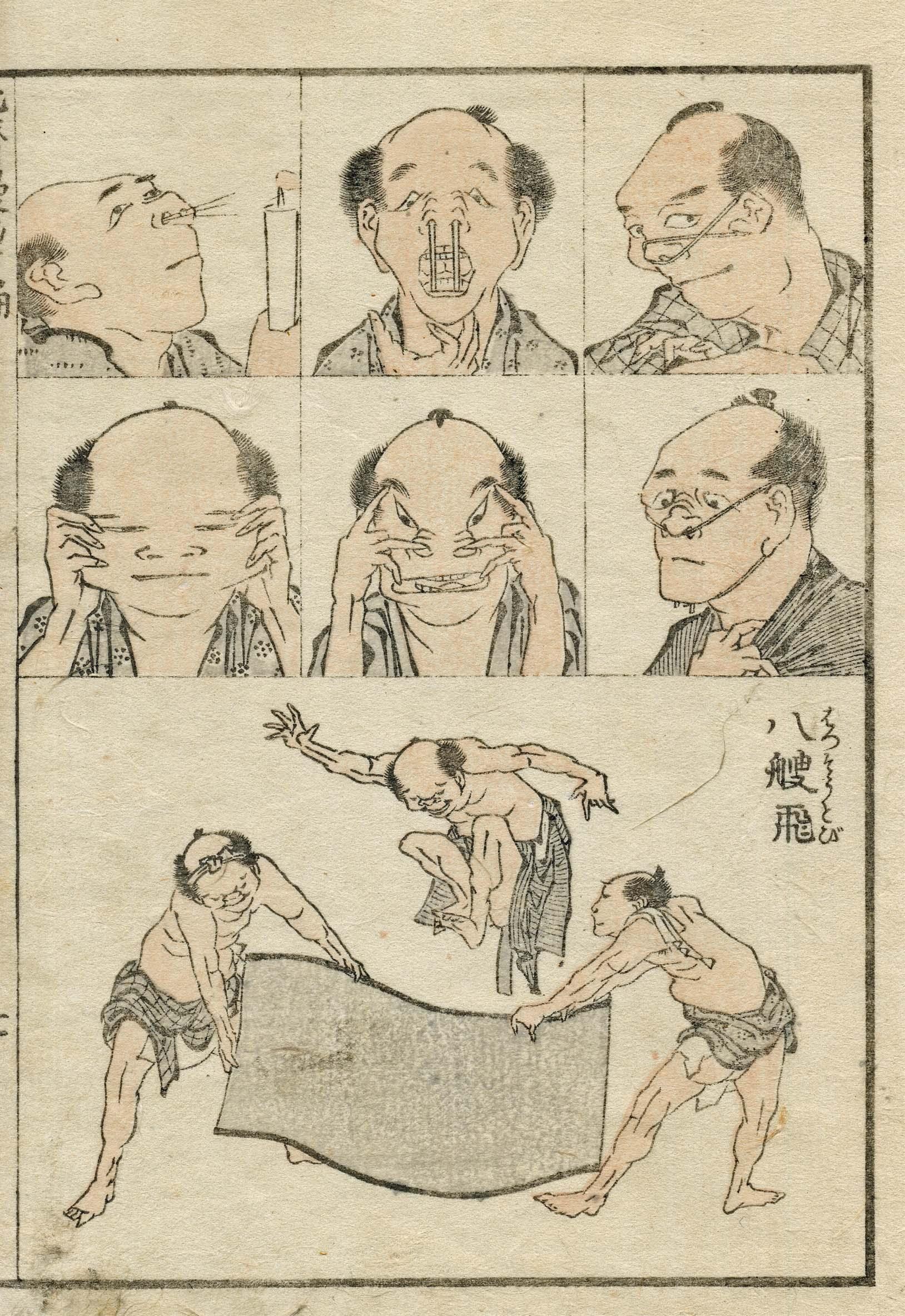
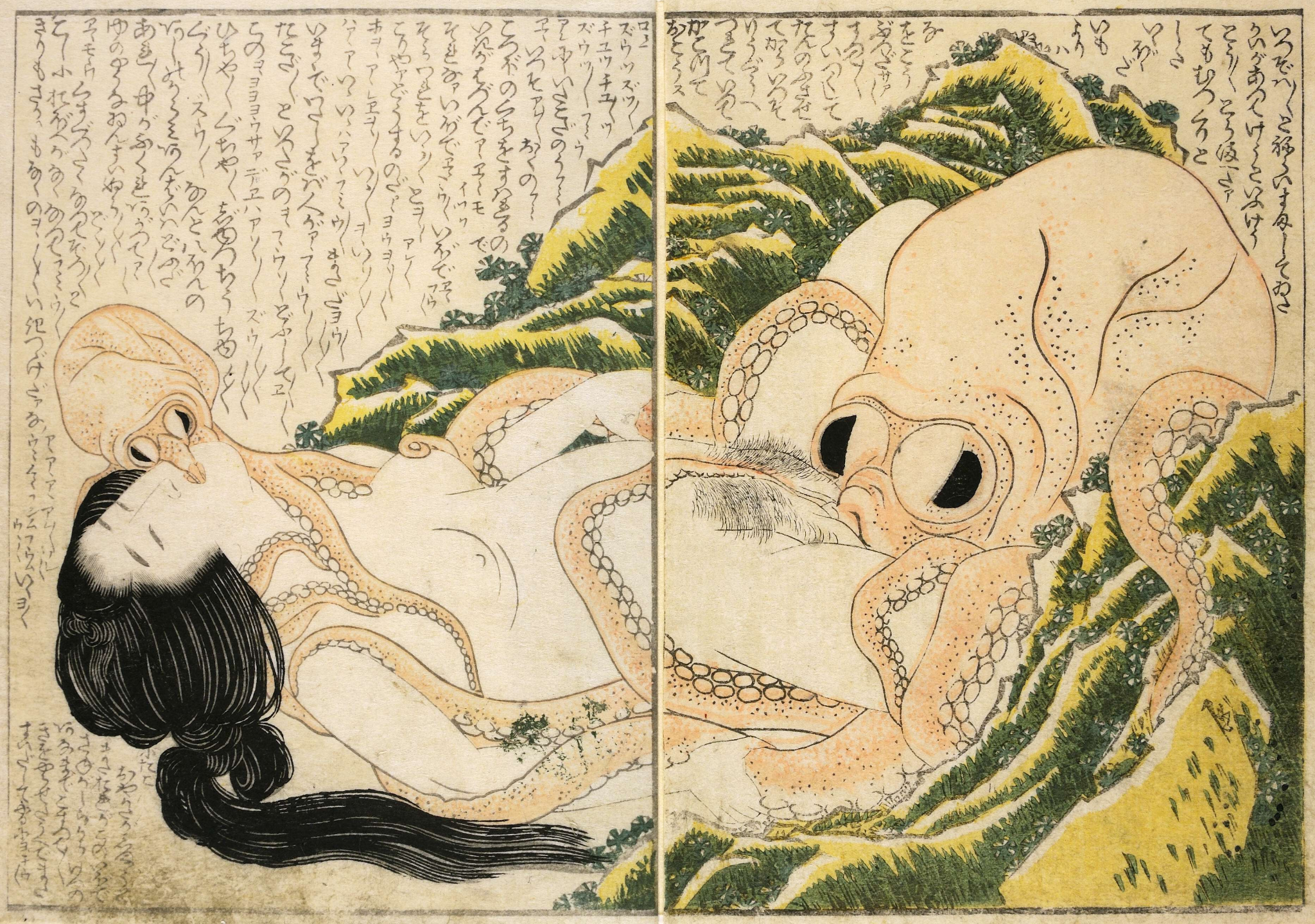
Hokusai (1760 to 1849) had a publisher who decided that his sketches should be released as instructional books for aspiring artists.
The nearly 4,000 sketches are compiled in the 15-volume Hokusai Manga that were published in his lifetime. The public couldn’t get enough of them.
These art studies influenced Gustav Klimt, Edgar Degas, Paul Gauguin, Pierre-Auguste Renoir, and Vincent van Gogh.
The word itself comes from two kanji: man (whimsical, impromptu) and ga (pictures). Hokusai described it more vividly: “brush gone wild.”
More importantly, it captured something already embedded in the culture—moments captured in fleeting images that held emotive weight.
From street stories to national obsession
Fast forward.
The street storytellers of kamishibai—who would narrate stories panel by panel—give way to television. Post-War Japan, obsessed with Americana, absorbs influences from the West, including the speech bubble (an invention in use in Meso-America since 650 BC). And then something clicks.
Manga explodes.
The earliest is Sazae-san, the sassy feminist housewife and part-time maid to a wealthy household, who is more lovingly attached to her horse than her husband. Her talkative goofball charm captures the imagination of the country. First published in 1946, the 68 volumes of the comic strip is one of the bestselling manga series.
What begins as domestic storytelling scales into something much larger.
And the habit persists.
Back on the metro, the same thing I saw on day one repeats itself. People reading everywhere. Even in a small hostel I stayed at, there was a manga library for guests. I picked up volume after volume, recognising almost nothing. Later I learned why.
Nearly 98% of manga is never translated into English.
The sheer volume is staggering. The ecosystem isn’t built for export. Export is a byproduct.
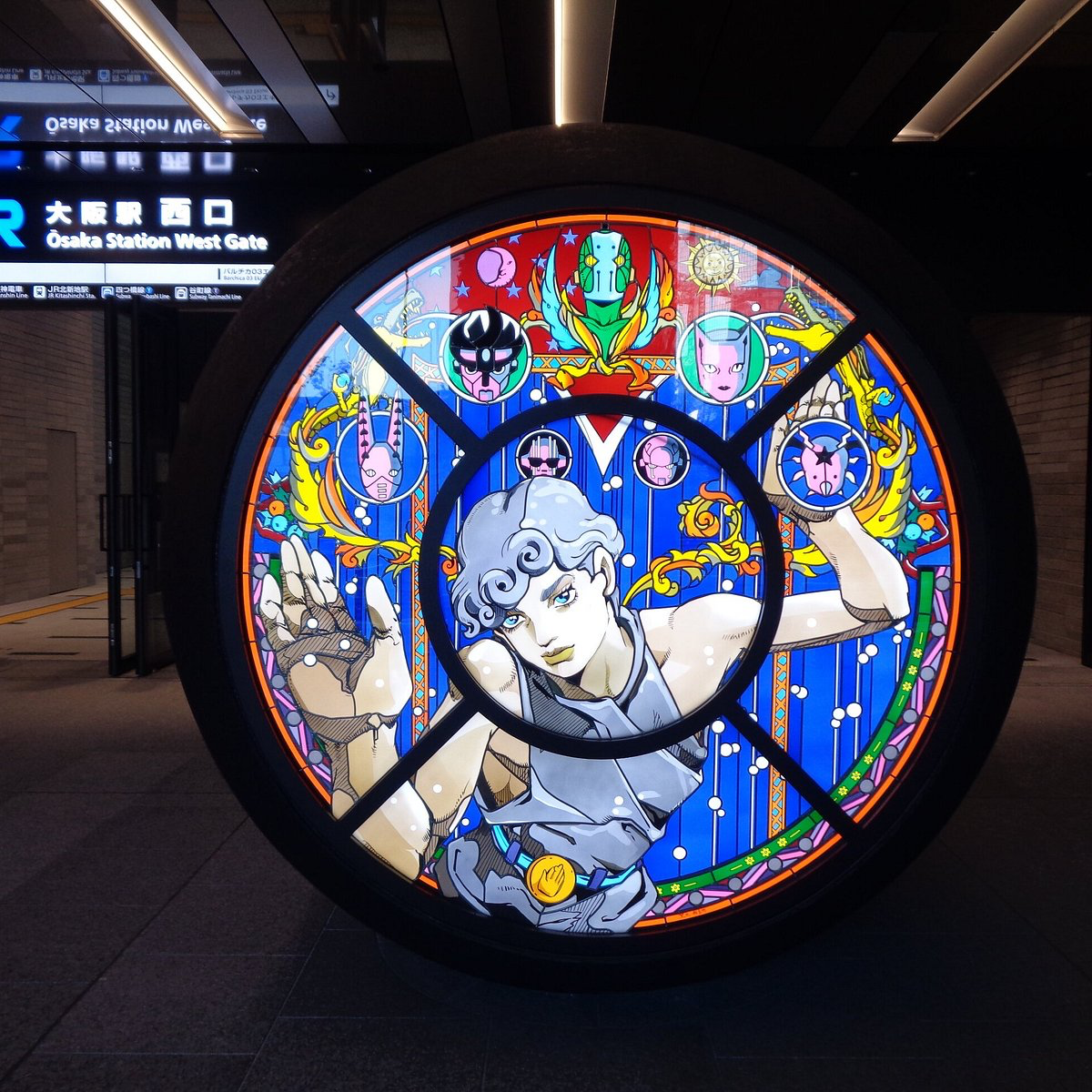
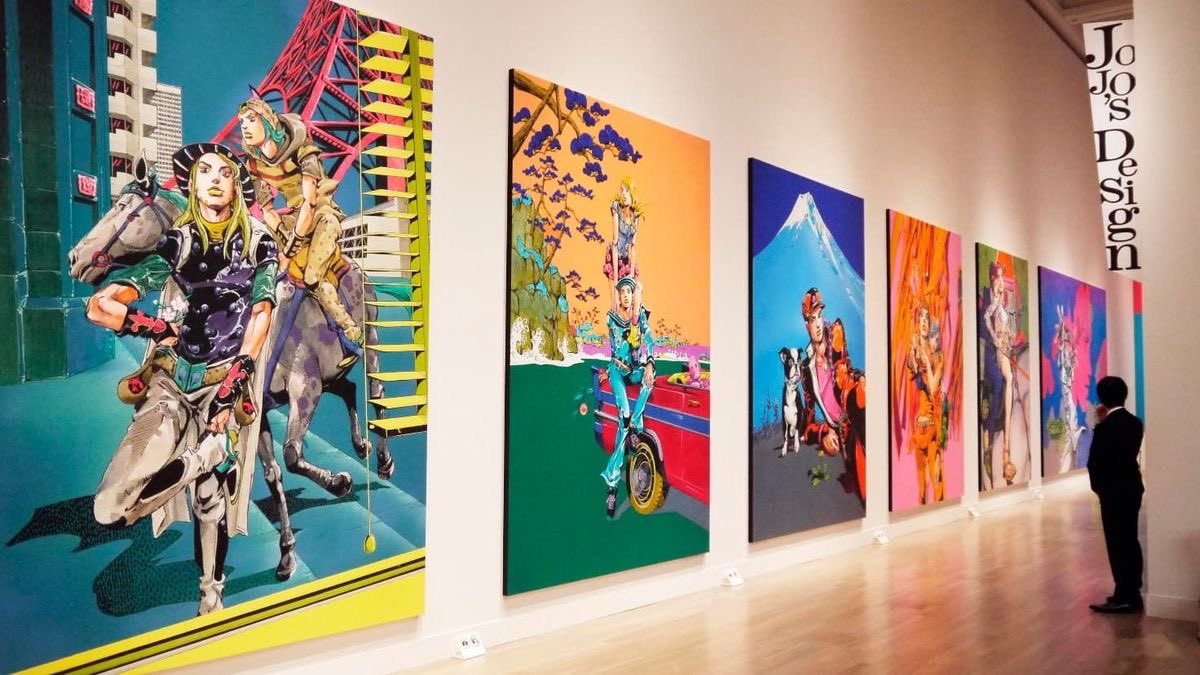
The influence is ubiquitous. The easiest way is to show you a commissioned stained glass in Osaka station. This is from JoJo’s Bizarre Adventure. And the manga art has also been showcased at the Louvre.
When the world caught on
Ironically, it wasn’t manga that conquered the world first.
It was anime.
Studios needed distribution, and Western television needed cheap programming. Shows like Astro Boy made their way to the US in 1963, the same year as its Japanese release.
Fans translated. Enthusiasts distributed. For a long time, the industry outside Japan was held together by passionate amateurs.
Even Osamu Tezuka, the godfather of manga who wrote Astro Boy and 700 volumes of manga across genres, only stumbled into this globalisation by accident, mistaking a superfan for a publisher and inviting him to dinner. The fan, Fred Patton, couldn’t even read Japanese. And Fred Shodt, the translator at this meeting, became one of the first manga translators.
But the real inflection point came later.
In 1988, a year that would quietly reshape animation, Studio Ghibli, under Hayao Miyazaki’s creative leadership, released the whimsical and upbeat My Neighbour Totoro and Grave of the Fireflies, the saddest film you’ll ever watch. (If you haven’t heard of Studio Ghibli or Hayao Miyazaki, a universe of pleasure and brilliance is waiting on Netflix for you to uncover.)
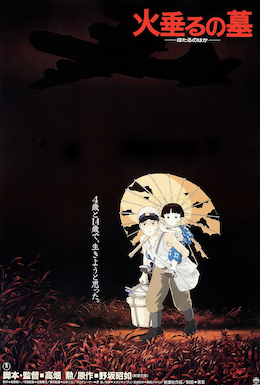
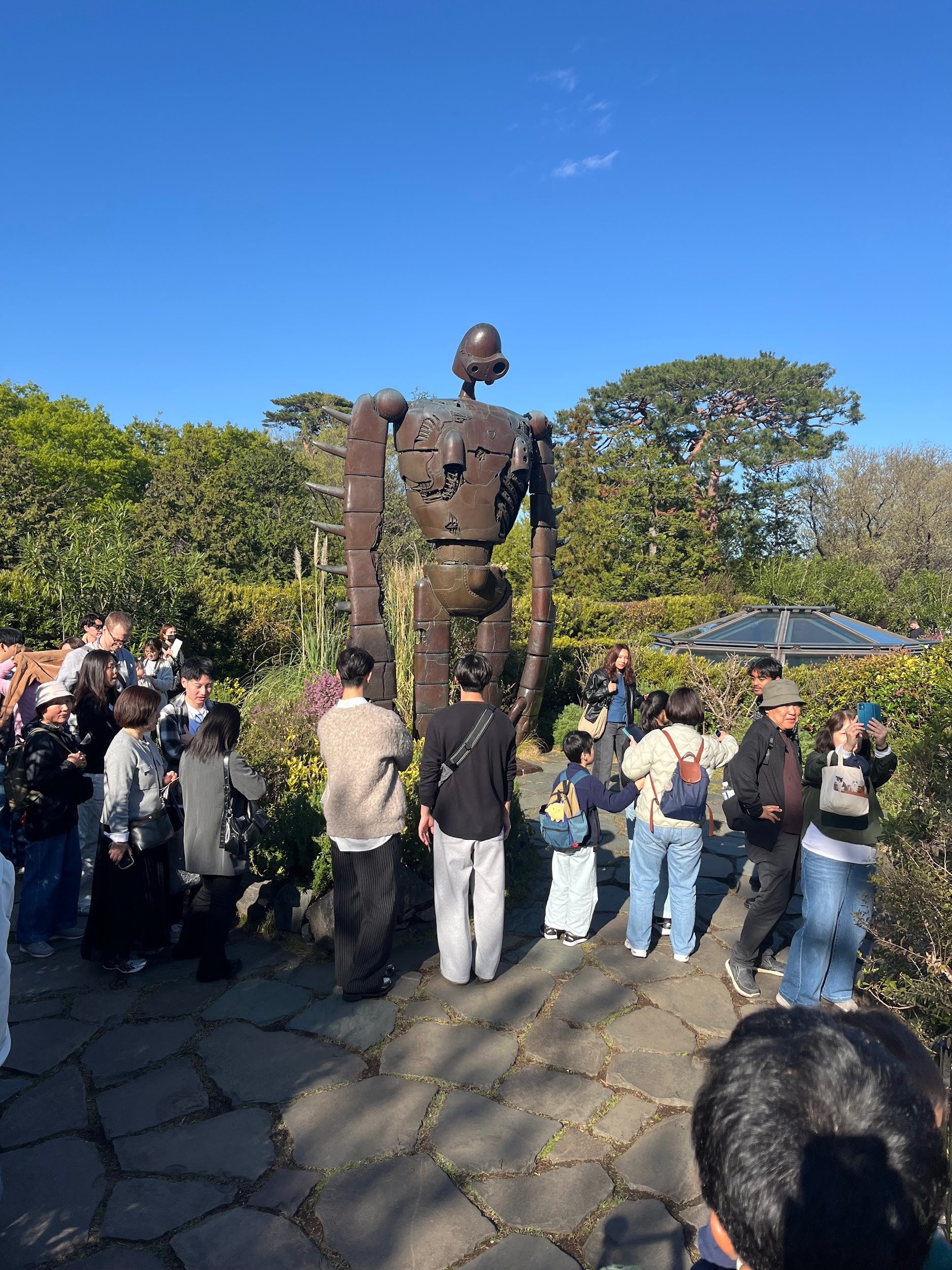
I visited both Ghibli Park in Aichi Prefecture and Ghibli Museum in Mitaka, Tokyo. Just to give you the sense of demand, if one wants to get into the smaller Ghibli Museum, one has to book within the first seconds of bookings opening on the 10th of every month. The first month, I failed to get museum passes. The next month, I took all my family’s devices and logged in everywhere, and managed to scrounge tickets.
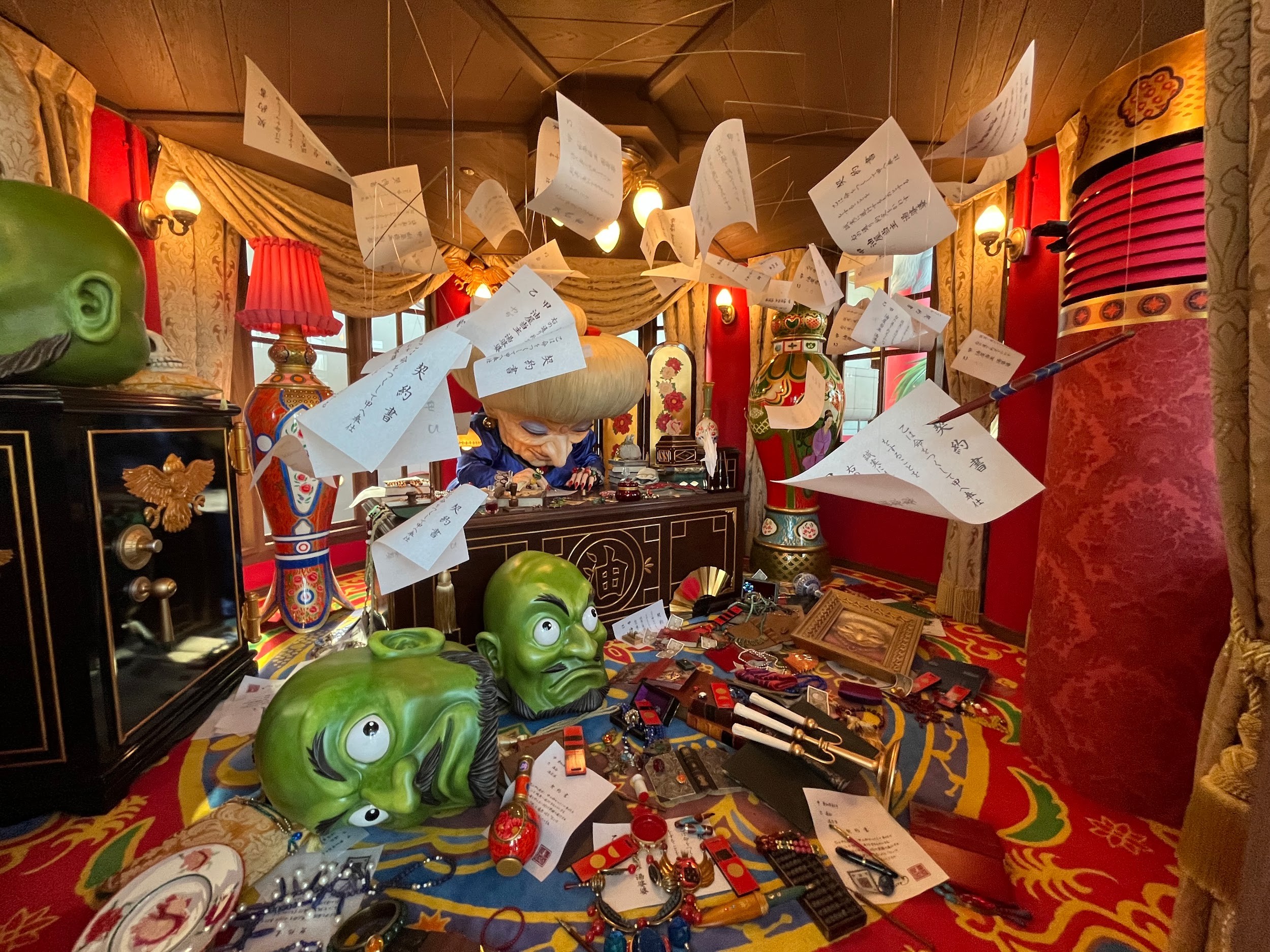
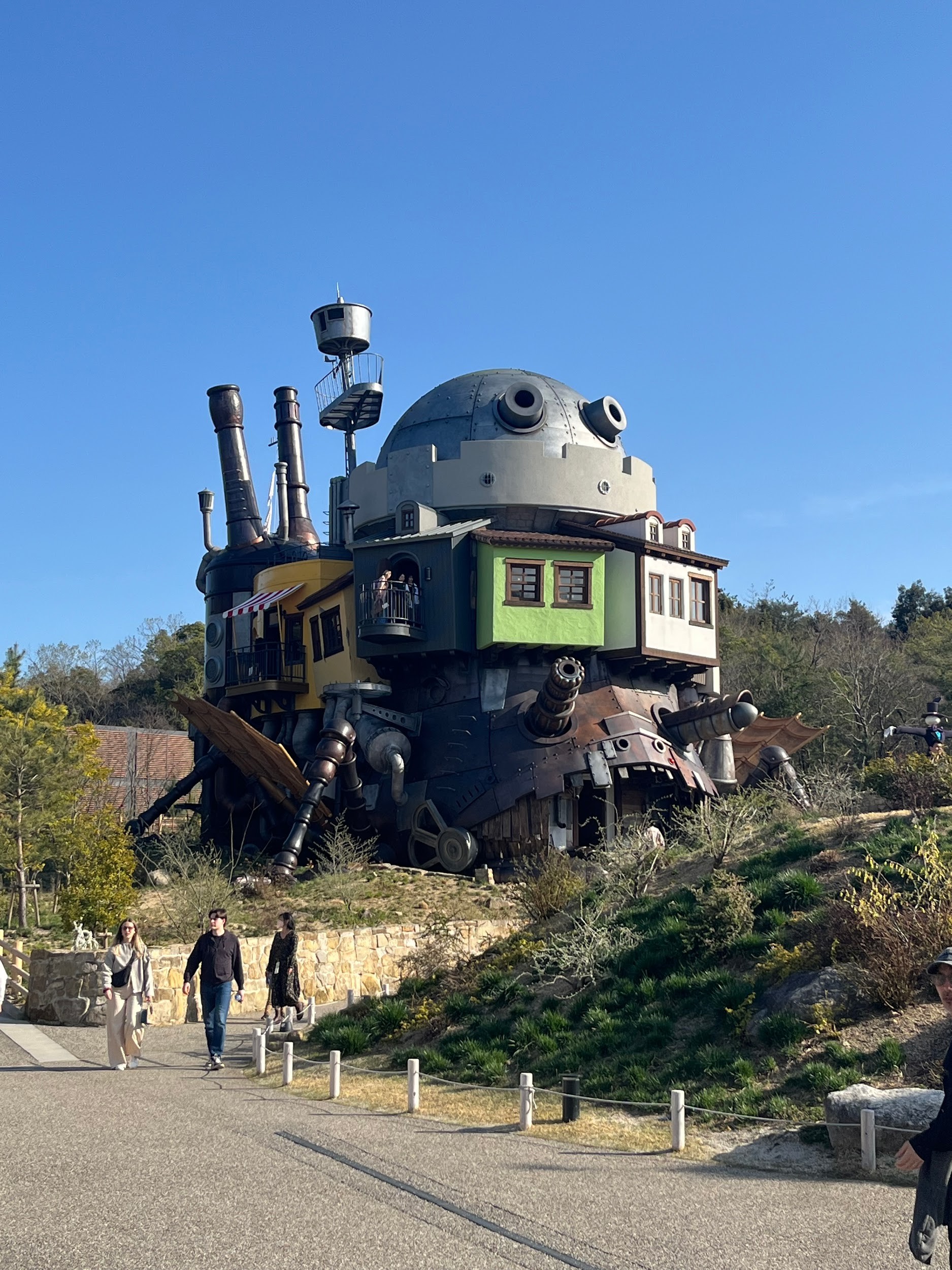
Unlike the musical colourful Disneyland, Ghibli Museum, and to a lesser extent Ghibli Park, is quiet and contemplative. It focuses mostly on wonder. Ghibli Museum doesn’t allow photographs inside at all. It’s created by Hayao Miyazaki, and focuses mostly on telling young audiences the components and hard work it takes to make an anime. Ghibli Park fastidiously recreates the houses and sets from some of its most famous movies.
But back to 1988. The biggest revolution in anime was yet to come. It came in the form of Akira.
Author Katsuhiro Otomo had published 70-odd issues of the biweekly manga to sweeping acclaim. When he was offered half a billion yen to create the anime, he created a film of a scope and scale that would dwarf all that came before (and set such a high bar, that it created a slowdown in the industry).
It wasn’t just the animation, which was meticulous and detailed in a way that animation has never done before or since. But the West was intrigued because it hadn’t seen animation this adult—adult because of its psychological depth, and not violence (though it has plenty), or nudity (there are a few frames). It wasn’t marketed aggressively. But for those who found it, it was unforgettable.
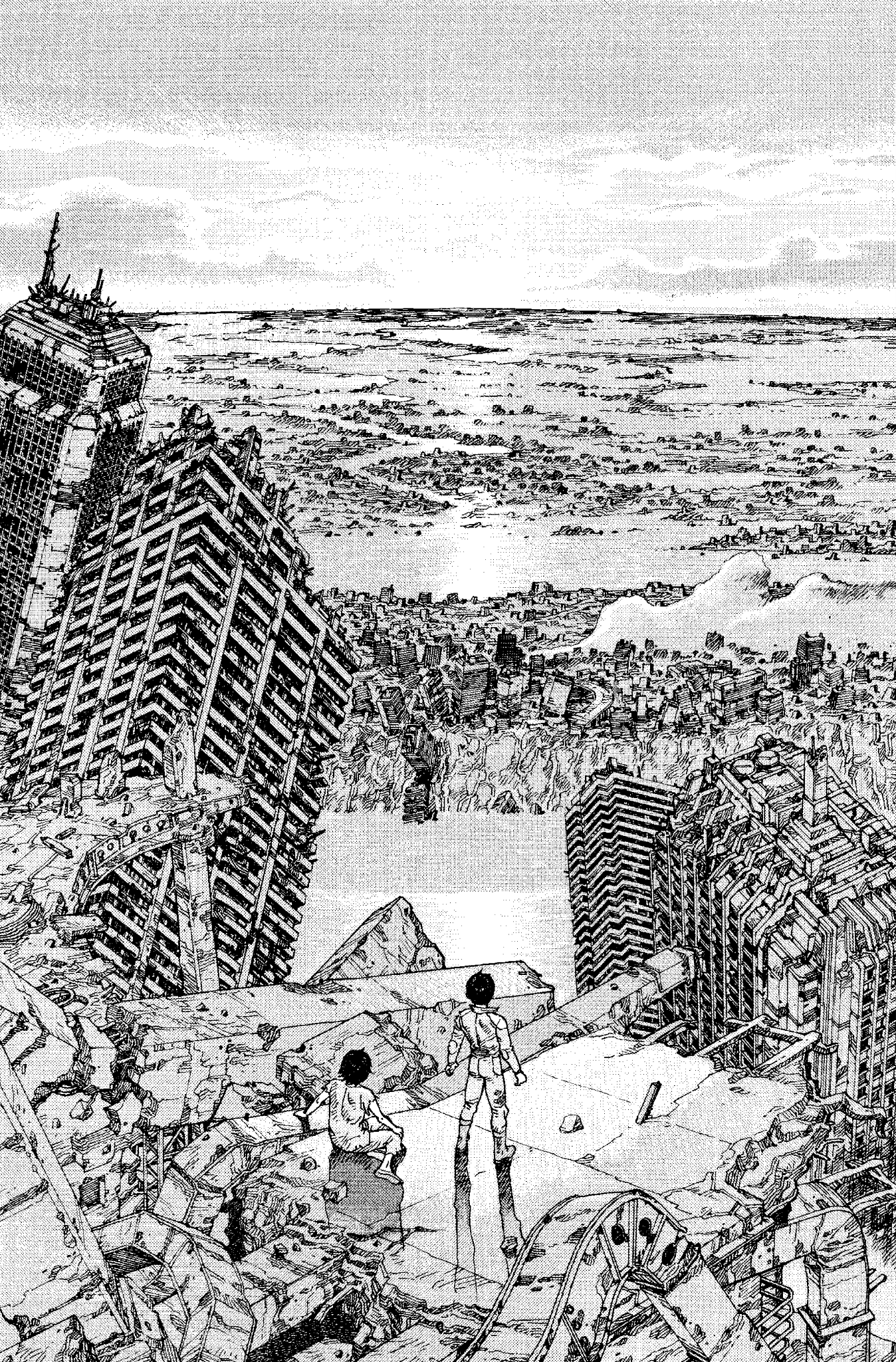
But nothing would prepare the West for what was to follow. A hero that would take over Sunday morning television sets all over the world.
Pokémon.
Pokémon surpassed everything in scale. While Sailor Moon and Dragonball Z had led the way, Pokémon would bust it wide open. It is the most profitable media franchise of all time. Revenues are at $150 billion as of Q2 FY26.
And in the process, it revived struggling manga publishers and cemented global demand.
Scale is the outcome, not the cause
Today, the numbers are absurd.
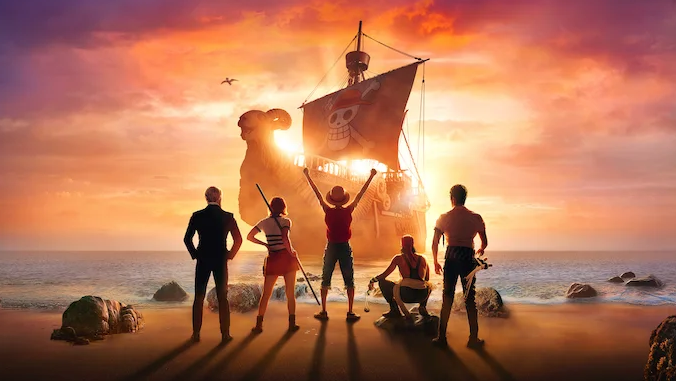
Take Monkey D. Luffy and One Piece.
A weekly manga running since 1997, with readership estimates between 7 to 15 million per issue. There isn’t a clean global comparison. Even Wordle at its peak doesn’t quite match it.
The story itself is simple: a group of pirates chasing the ultimate treasure. But simplicity is deceptive. Characters evolve, villains become heroes, backstories reshape everything. And at the centre is Luffy—relentlessly optimistic, almost irrationally so.
All of it—over a thousand chapters—created by one man: Eiichiro Oda.
The final piece: obsession
Which brings us to another aspect of Japanese insanity that makes manga work.
If in India work is worship, Japan takes it to another level.
Oda, Miyazaki and many others are not motivated by profit, they’re motivated by perfection.
Oda works seven days a week. 5 am to 2 am. He sleeps three hours. Takes one week off a year. Has been hospitalised twice for overwork. And has said, without irony, that if he dies for One Piece, it would be worth it.
Miyazaki is no different.
This isn’t efficiency. This isn’t productivity. This is obsession.
Return
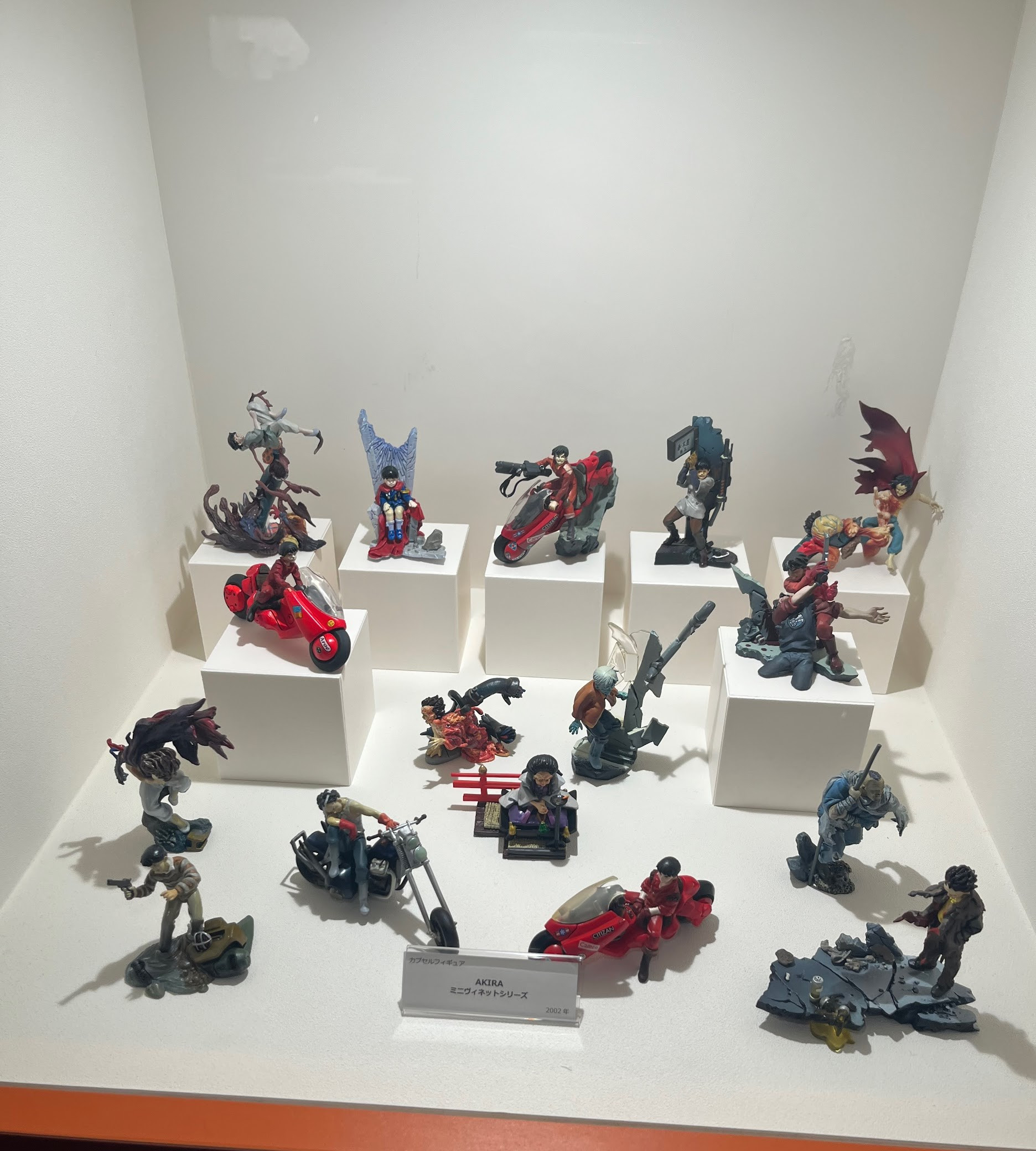
I walk into some of the massive stores in Akihabara in my last few days in Japan, and am surrounded by the scope and scale of collectibles on offer. Apart from One Piece, I recognise only a handful of titles. But from bomber jackets to cuddly pillows of your favourite waifu, the selection is overwhelming. Collectibles form a bulk of anime revenue, and creators seldom take on the pirates who also spread their work far and wide.
In 2002, anime’s revenues from abroad was 2%; in 2024, it was a whopping 52%. Seventy percent of all animated content originates in Japan. There was a time when the delays between Japanese releases and English dubs led to frustrated fans creating their own dubs (they still do that for manga), but now you can get same-day English dubs on Crunchyroll for most content.
A small country with the resilience and fortitude that every shonen jump hero has been embodying since 1968, took on the Hollywood behemoth, and by audacity and spectrum of content alone, gave something that people couldn’t find elsewhere.
It’s reductionist to think that Japan exports cartoons. It built a country that reads and reads in pictures. Japan did that for 200 years. And one day, the rest of the world started reading along.
Japan took ink, paper and imagination and through it, told us all that life was weird, and sad, and beautiful. That the space between things is the place to find peace. Japan exported permission for us to feel the full gamut of emotions—joy, grief, absurdity. And after billions of pages of celluloid and print, we’re finally getting the picture.
Join the conversation
Ronaan Roy
Former Deputy General Manager | Mahindra
Ronaan flirts with many of the arts, or rather despite his best intentions to lead a balanced life, the arts have ensnared him and won't let him laze. He has sung Western Classical, written prose and poetry, directed and acted in both film and theatre. He also plays a variety of instruments and dabbles in painting.
Beyond the noise is the signal.
FF Insights: Sharpen your edge, Monday–Friday.
FF Life: Culture, ideas and perspectives you won't find elsewhere — Saturday.

Founding Fuel is sustained by readers who value depth, context, and independent thinking.
If this essay helped you think more clearly, you may choose to support our work.

Founding Fuel is sustained by readers who value depth, context, and independent thinking.
If this essay helped you think more clearly, you may choose to support our work.
Loading comments...


Readers also liked
·Economy, Policy & Society
India looks stable. But trust is becoming conditional
A generation of Indians appears to be shifting from inherited faith in institutions to a running audit of their performance. That change could outlast any government—and reshape the risks facing anyone making long-term bets on the country.
AB

Arjo Basu
Systems thinker & technologist | Entrepreneur
India looks stable. But trust is becoming conditional
A generation of Indians appears to be shifting from inherited faith in institutions to a running audit of their performance. That change could outlast any government—and reshape the risks facing anyone making long-term bets on the country.
Systems thinker & technologist | Entrepreneur
·FF Life
The Brief for a Country
Three basic needs. Sixty years of policy choices. A country still living with the trade-offs. How India designed for food, livelihoods and shelter—and who those choices left out.
NA

Nandita Abraham
Founding Dean | BITS Design School, Mumbai
The Brief for a Country
Three basic needs. Sixty years of policy choices. A country still living with the trade-offs. How India designed for food, livelihoods and shelter—and who those choices left out.
Founding Dean | BITS Design School, Mumbai

·FF Life
Your Life Is Already Long India. Your Portfolio Shouldn’t Be
Why global diversification is less about chasing returns and more about protecting your financial future from a single-country risk
AR

Abhishek Raghunath
Head of Content | Neil Patel Digital India
Your Life Is Already Long India. Your Portfolio Shouldn’t Be
Why global diversification is less about chasing returns and more about protecting your financial future from a single-country risk
Head of Content | Neil Patel Digital India
Explore more
Dive into other themes from our network.