Every battle is fought in the head
What if you were asked to run 333 kilometers? Most people would baulk. But not these elite athletes who do it in the harshest of conditions against everything man and nature throws at them. What they have to say can teach us a thing or two about life
9 September 2015· 1 min read· 1 comments
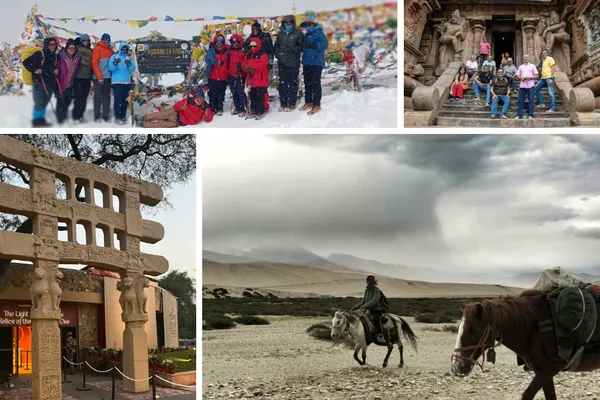
The sixth edition of La Ultra—The High concluded recently. In running circuits, it is the kind of run that is spoken of in hushed tones. Because this is, without a doubt, the cruelest run in the world. What does that mean?
It means participants choose to run in one of three categories in the Himalayas. The least one can run is 111 kilometers. If you manage that, you shift to 222 kilometers and finally to 333 kilometers. Each of these phases has to be completed within 24 hours. The final cut off time for the run is 72 hours.
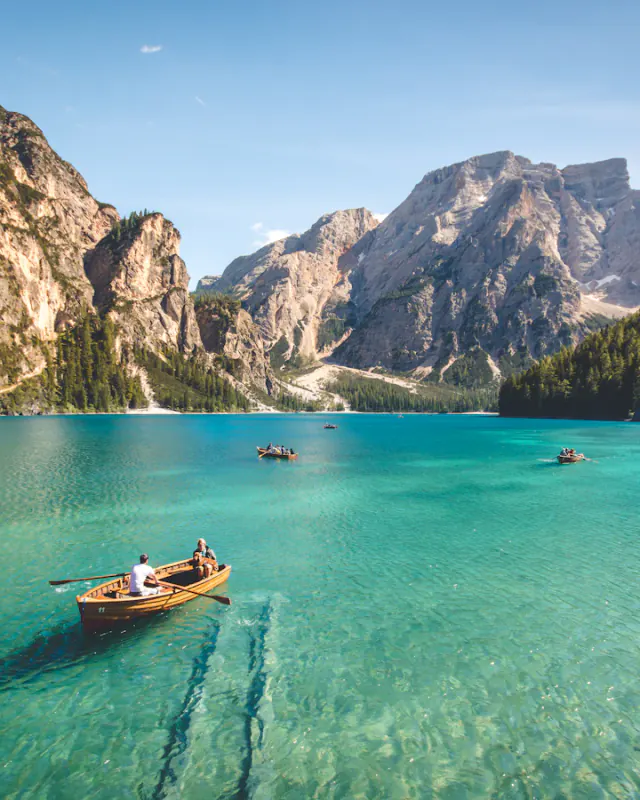
Only the most elite athletes in the world make the cut. This, because they run in the harshest conditions known to man where they start at 17,4000 feet above sea level, temperatures fluctuate widely between -10 degrees Celsius and 40 degrees Celsius. Oxygen levels can be as low as 40 percent of sea level and runners are advised to expect heady winds, rain, snow and ice without warning.
The athletes who participated in this year’s edition could well have been part of any Olympics Team line up. They are high performers. One of Founding Fuel’s mandates is to understand what makes higher performers tick. That is why Charles Assisi, co-founder & director at Founding Fuel engaged Dr Rajat Chauhan, race director or La Ultra and participants from the run to understand what drives them. One consistent answer emerged. All of the battles are fought in the head.
Assisi came back sobered and wiser after having taken home lessons worth a lifetime. Extracts from the conversation held at the Indian Mountaineering Foundation in New Delhi can be viewed here.
Join the conversation
Founding Fuel aims to create the new playbook of entrepreneurship. Think of us as a hub for entrepreneurs- the go-to place for ideas, insights, practices and wisdom essential to build the enterprise of tomorrow. It is co-founded by veteran journalists Indrajit Gupta and Charles Assisi, along with CS Swaminathan, the former president of Pearson's online learning venture.
Beyond the noise is the signal.
FF Insights: Sharpen your edge, Monday–Friday.
FF Life: Culture, ideas and perspectives you won't find elsewhere — Saturday.

Founding Fuel is sustained by readers who value depth, context, and independent thinking.
If this essay helped you think more clearly, you may choose to support our work.

Founding Fuel is sustained by readers who value depth, context, and independent thinking.
If this essay helped you think more clearly, you may choose to support our work.
Loading comments...




Readers also liked

·Business & Strategy
What a Lasting Tata Settlement Must Resolve
Ahead of Tata Sons’ pending AGM, the fight over leadership and listing is widening. A lasting settlement must resolve who decides, how capital is used and whose interests count.
SP

Satish Pradhan
Independent Consultant
What a Lasting Tata Settlement Must Resolve
Ahead of Tata Sons’ pending AGM, the fight over leadership and listing is widening. A lasting settlement must resolve who decides, how capital is used and whose interests count.
Independent Consultant
·Economy, Policy & Society
Who Was the School Day Built For?
India’s school system was built to educate at scale. Its classrooms, exams and incentives reveal what that design rewards—and the individual child it struggles to see.
NA

Nandita Abraham
Founding Dean | BITS Design School, Mumbai
Who Was the School Day Built For?
India’s school system was built to educate at scale. Its classrooms, exams and incentives reveal what that design rewards—and the individual child it struggles to see.
Founding Dean | BITS Design School, Mumbai
·Leadership & Organisation
Who Owns the Fire?
A leader can light the spark. The harder question is what happens to the fire afterwards?
SP
Satish Pradhan
Independent Consultant
Who Owns the Fire?
A leader can light the spark. The harder question is what happens to the fire afterwards?
Independent Consultant
Explore more
Dive into other themes from our network.