When Visibility Stopped Working as a Measure of Performance
As work becomes less visible, the systems used to measure it are starting to fail—and expose what they were really rewarding
1567 results

As work becomes less visible, the systems used to measure it are starting to fail—and expose what they were really rewarding

As the UAE exits OPEC, long-simmering economic and strategic divergences with Saudi Arabia begin to reshape Gulf politics and energy markets

A tribute to the veteran photojournalist whose work revealed the country’s beauty, contradictions, and defining moments

In Japan, manga isn’t an industry—it’s culture at scale. A journey through the habits that made it so

India is investing billions in battery manufacturing. But without the capital to fund indigenous technology, the intelligence inside those factories may continue to be imported.

What looks like motivation—war footage, heroic narratives, calls to crush the competition—is often something else entirely: a system of thinking that rewires how organisations see markets, customers, and themselves

As human and machine learning begin to intersect, work is no longer shaped by a single reinforcement loop, but by the interaction of fundamentally different ones. Part 2 of an ongoing series on the Future of Work and Agentic AI.

What happens when a centuries-old knowledge system—held in practice, not institutions—meets a world changing faster than it can adapt? The Changpas of Changthang are living that question.

Six capabilities leaders need as AI enters everyday work

From the Gulf to global markets, events appear to move toward rupture and then stop short. The reason lies not in restraint, but in the invisible architecture of the system itself.


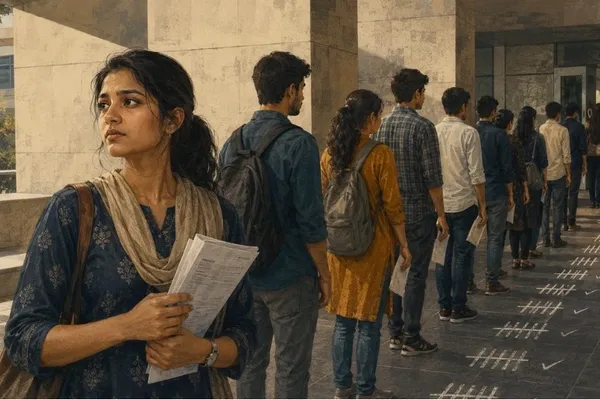
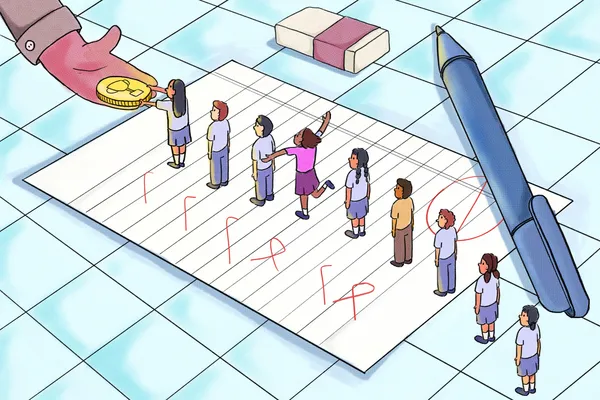
On how India built its education system faster than it built the economy to absorb it

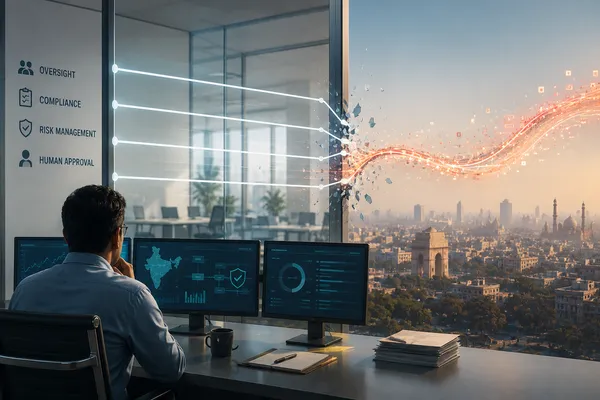
As AI-assisted coding accelerates software development, enterprises face a new challenge: ensuring governance, accountability, and safety keep pace with machine-speed innovation

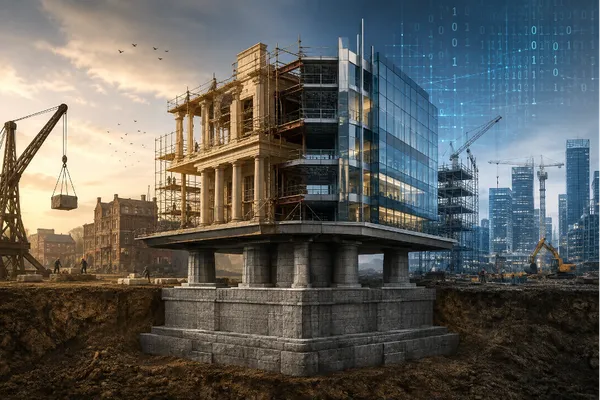
Why India’s systems keep interrupting its own momentum

One month in, the limits of conventional military power are being laid bare. As a “dual chokehold” on global energy flows emerges, the old security umbrella of the Gulf states is being dismantled. It is forcing a permanent re-pricing of both regional and global risk.

A journey through Pompeii, Tuscany, Florence and Rome becomes a meditation on art, memory, and the fragile permanence of human endeavour

Why the Gulf crisis may be India’s moment for the next phase of reform

From Hormuz to Dalal Street, a distant conflict is quietly reshaping risk for Indian investors—and exposing the limits of “India-only” portfolios

As AI agents embed intelligence into systems, the real shift is not automation—but how knowledge is owned, shared, and scaled across organisations

A conversation between Charles Assisi and Shrinath V on rebuilding Founding Fuel

When producing things is mistaken for thinking: AI hasn’t created this habit—it has simply made it faster and harder to spot. Revealing the gap between output and judgement inside organisations

Chaos, craft and the return of the auteur

My annual curtain-raiser: the likely winners, the dark horses, and the one film you should actually watch.

As the conflict with the United States and Israel intensifies, Iran’s new leadership is signalling a prolonged confrontation—one that combines conventional warfare with pressure on global energy flows and supply chains.

Books, films and cultural works that help us see the Middle East beyond the noise of geopolitics

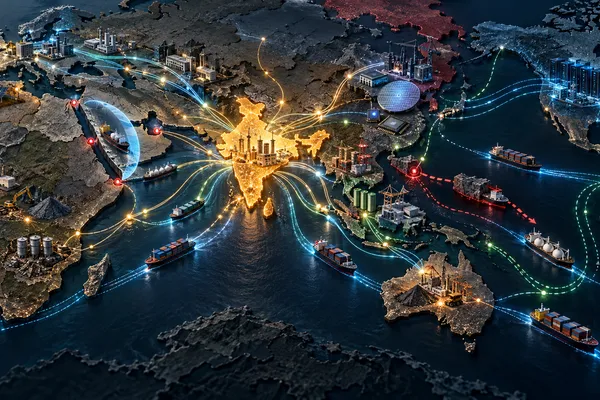
Energy dependence, remittance flows and trade corridors reveal how deeply India’s economy is tied to stability in West Asia. Part II of a two-part series.

Energy chokepoints, proxy escalation and great-power recalibration are reshaping the Gulf and unsettling the global order. Part I of a two-part series.

Why global diversification is less about chasing returns and more about protecting your financial future from a single-country risk

Even if Trump’s tariffs disappear, the forces reshaping global trade—geopolitics, security concerns and reconfigured regional blocs—are here to stay