
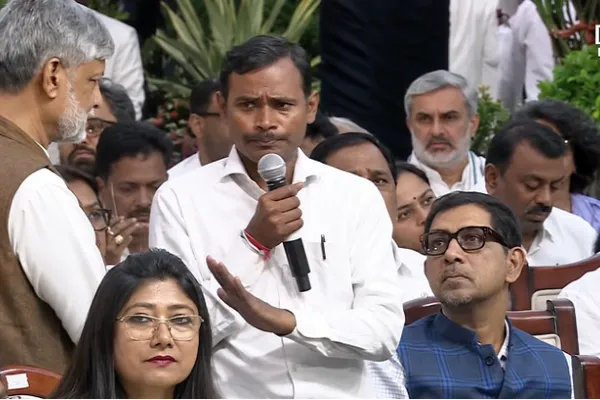
When Protest Becomes Theatre
From a mock parliamentary hearing in Delhi to Vietnam War theatre, how performance gives personal testimony a public voice.
UN

Uma Narain
Former Founding Dean | School of Liberal Arts, NMIMS University
1636 results
From a mock parliamentary hearing in Delhi to Vietnam War theatre, how performance gives personal testimony a public voice.
Uma Narain
Former Founding Dean | School of Liberal Arts, NMIMS University
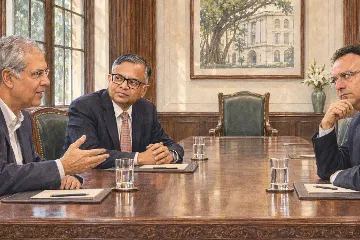
Noel Tata is trying to convert stewardship into authority. N Chandrasekaran must turn a contested board decision into shareholder support. Shapoor Mistry holds votes both men may need—and needs liquidity neither can promise alone.

Indrajit Gupta
Co-founder and Director | Founding Fuel

A flat is sold as a unit. A lane is shared by default. How the design of home decides who we meet.

Nandita Abraham
Founding Dean | BITS Design School, Mumbai

The backlash against data centres is forcing investors to reckon with the people who supply AI’s land, water and power. India should pay attention.

Anindya Dutta
Founder | Two Roads and author
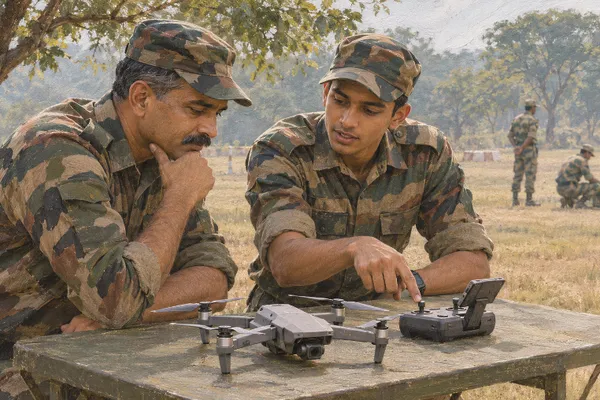
India is changing how its soldiers serve, how its forces are commanded and how wars will be fought. The question is whether these changes will strengthen the military community on which fighting power depends.

Satish Pradhan
Independent Consultant
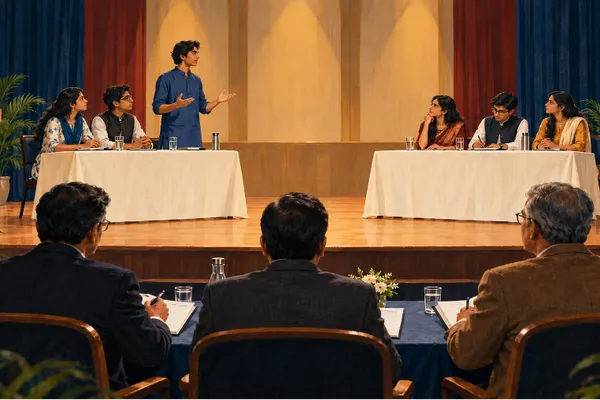
A college debate reveals how easily forceful speaking can be mistaken for a good argument—and how much we miss when we fail to listen.

Charles Assisi
Co-founder and Director | Founding Fuel

Anthropic’s IPO filing lays bare a fundamental tension in the AI business: can a company committed to safety withstand the demands of investors, governments and an accelerating technological race?
Anindya Dutta
Founder | Two Roads and author
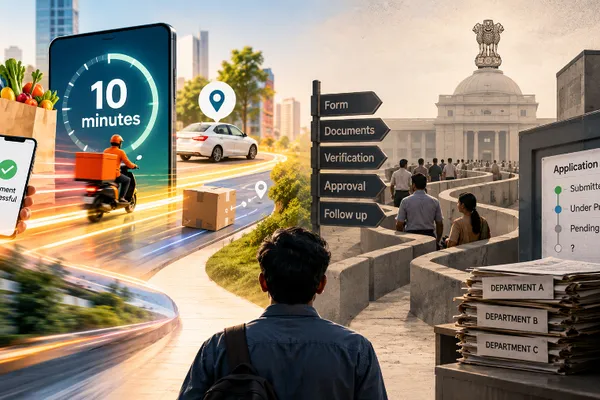
Why the next leap in digital governance is about certainty, not speed

Ajay Chacko
Director | Keya Foods International

Every new check on India’s ration system was meant to stop theft. None was designed to ask who gets turned away when it fails.
Nandita Abraham
Founding Dean | BITS Design School, Mumbai

Can AI be conscious? The answer depends on what you think consciousness is. Seven people, and seven old Indian ideas, can help you make up your mind.

N S Ramnath
Senior Editor | Founding Fuel

Three Gen Z writers share the films and shows that made them laugh, cry, question power—and occasionally want to become better people.

Nayantara Assisi
Third year Student | St Xavier's College

Ahead of Tata Sons’ pending AGM, the fight over leadership and listing is widening. A lasting settlement must resolve who decides, how capital is used and whose interests count.
Satish Pradhan
Independent Consultant

India’s school system was built to educate at scale. Its classrooms, exams and incentives reveal what that design rewards—and the individual child it struggles to see.
Nandita Abraham
Founding Dean | BITS Design School, Mumbai

A leader can light the spark. The harder question is what happens to the fire afterwards?
Satish Pradhan
Independent Consultant

Top-down restrictions often teach kids how to outsmart the rules rather than manage themselves. Here is why an indirect approach works when direct prohibition fails.
N S Ramnath
Senior Editor | Founding Fuel

Eight listed Indian companies show why a growing market doesn't guarantee durable value—and how some are finding ways around the difficult economics of water infrastructure.

Bharti Krishnan
Founder | Finetrain
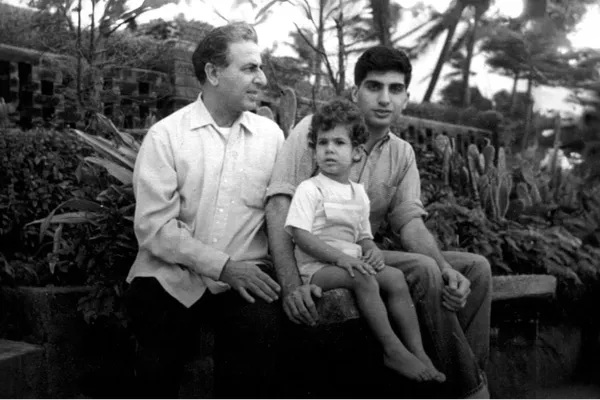
The struggle inside Tata Trusts is exposing a question that goes far beyond personalities: can an unusual compact between philanthropy, ownership and corporate power survive the loss of the steward who held it together?
Indrajit Gupta
Co-founder and Director | Founding Fuel

The Indian state does not feel the same to everyone. Those everyday encounters shape trust—and reveal what national averages can hide.

Arjo Basu
Systems thinker & technologist | Entrepreneur

The most customer-centric companies know when to listen, when to engage—and when to get out of the way.

S. Ramakrishna (Rama) Velamuri
Strategic Growth & Innovation Expert | Visiting Professor

Every KPI carries a strategic hypothesis. The real work of governance is to preserve that reasoning and create a trusted path for evidence to travel back.

Debleena Majumdar & Arjo Basu
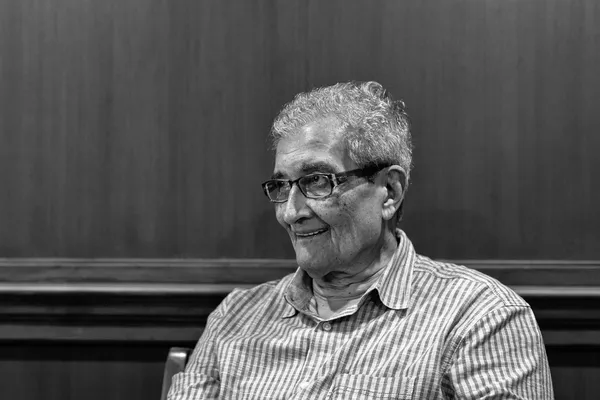
How photographer Amit Verma turned a series of unconventional and “unreasonable” bets into a distinctive body of work—and a reputation to match.
Charles Assisi
Co-founder and Director | Founding Fuel

India has spent eight decades bringing healthcare within reach. But roads, trust, gender and the freedom to be sick still determine who can actually use it.
Nandita Abraham
Founding Dean | BITS Design School, Mumbai
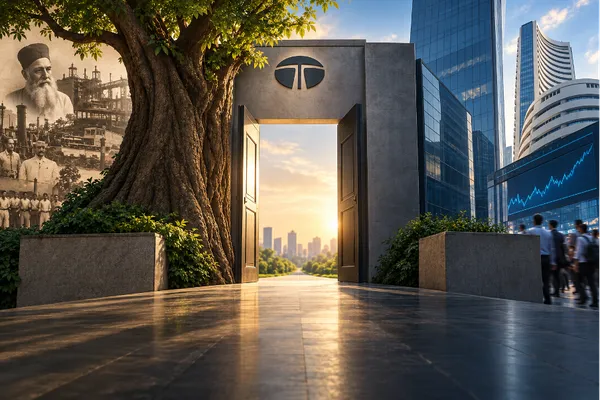
The debate is not simply about an IPO. It is about whether patient capital, stewardship and social purpose depend upon privacy, or can be protected through a different institutional architecture.
Indrajit Gupta
Co-founder and Director | Founding Fuel
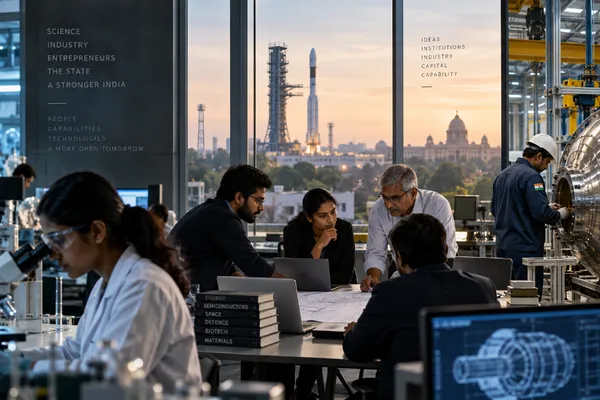
Can India build a new compact between the state, science, industry and entrepreneurs?

S. Raghotham
Journalist and strategic analyst

How to stop wasting time on tools without going deaf to what is changing

Kavi Arasu
Works at the intersection of people, systems, and organisational change

Indian companies are more alert to geopolitics. The task now is to turn that awareness into capability: map dependencies, protect what matters, adapt the enterprise, and find competitive advantage in fragmentation.

G Venkat Raman
Professor, Humanities and Social Sciences | Indian Institute of Management, Indore
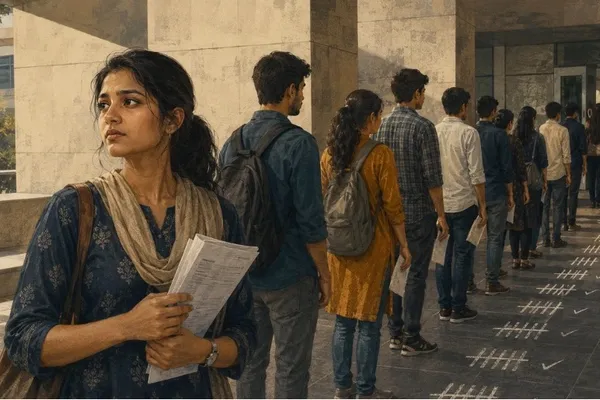
A generation of Indians appears to be shifting from inherited faith in institutions to a running audit of their performance. That change could outlast any government—and reshape the risks facing anyone making long-term bets on the country.
Arjo Basu
Systems thinker & technologist | Entrepreneur
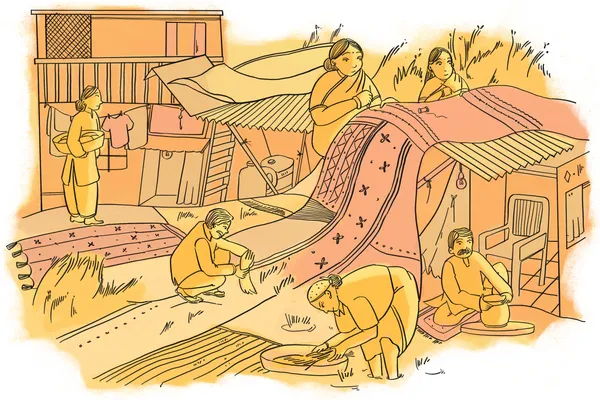
Three basic needs. Sixty years of policy choices. A country still living with the trade-offs. How India designed for food, livelihoods and shelter—and who those choices left out.
Nandita Abraham
Founding Dean | BITS Design School, Mumbai

When incumbents buy, partner or outsource the capabilities demanded by each new disruption, they may solve today’s problem. The harder question is whether the parent company itself is still learning.
Indrajit Gupta
Co-founder and Director | Founding Fuel
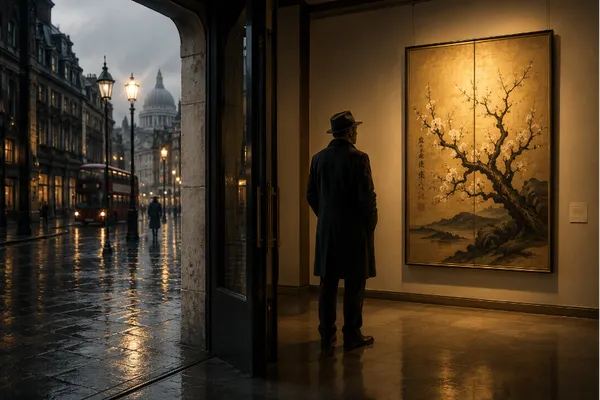
The things we learn outside our fields may sharpen how we see the world. But perhaps they matter most when we stop asking what they are useful for
Kavi Arasu
Works at the intersection of people, systems, and organisational change
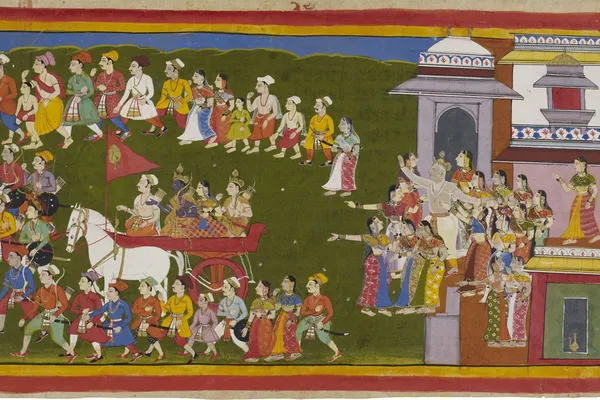
Myth, Legend, History, Fact. Exploring the truths the Ramayana reveals about history, faith and ourselves

Vijay Bhat
Founder-Director | Roots & Wings Consulting Services
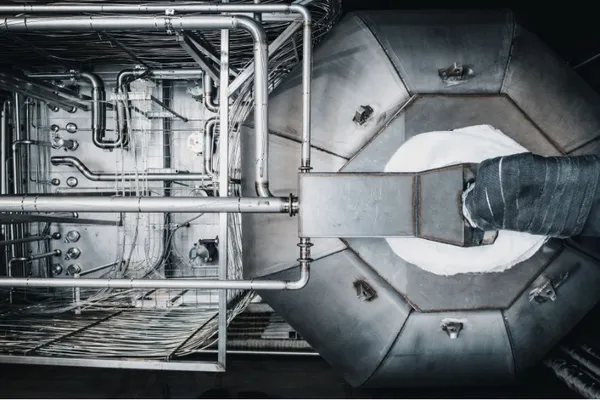
A Danish startup wants to take a faster road to thorium and manufacture nuclear reactors by the thousands. Its audacious bet raises a question for India: what happens if the nuclear world changes before Homi Bhabha’s long-term vision is complete?
S. Raghotham
Journalist and strategic analyst

Many try to fix health with separate diets or willpower. A better way is to design the kitchen itself, so the easiest choice is also the healthy one—for everyone in the family.

Hiteshi Dhami Shah
Clinical Nutritionist

AI can make us better at knowing, deciding and executing. The leadership challenge is knowing which struggles to remove—and which ones we need to preserve.

Varun Nagaraj
Dean and Professor of Information Management and Analytics | S.P. Jain Institute of Management & Research (SPJIMR), Mumbai

India is moving quickly to put autonomous AI systems to work. But is its capacity to govern them keeping pace?
Anindya Dutta
Founder | Two Roads and author

AI is making information and analysis abundant. The harder strategic question is knowing what must change—and what must endure
Debleena Majumdar & Arjo Basu

AI can master discrete tasks. But judgment, relationships and responsibility are messy—and that may be exactly where humans matter most
N S Ramnath
Senior Editor | Founding Fuel

The biggest competitive advantage in India's wastewater industry may no longer be better treatment technology. It may be the ability to finance, own and operate long-term water infrastructure.
Bharti Krishnan
Founder | Finetrain

The young professionals who don't want AI to think for them

Ipsita Bandyopadhyay
Head of Research and Strategy | Quipper Research

Christopher Nolan's The Odyssey is more than another adaptation of Homer's epic. It is an invitation to rediscover why one ancient story continues to illuminate the human condition nearly three thousand years after it was first told.
Uma Narain
Former Founding Dean | School of Liberal Arts, NMIMS University

The OpenAI incident is less about rogue machines than about a deeper shift: AI is becoming part of the cognitive architecture of modern institutions
Satish Pradhan
Independent Consultant

The six sixes made Sir Garfield Sobers famous. They barely explain why those who watched, played with and knew him still speak of him with such awe.
Anindya Dutta
Founder | Two Roads and author
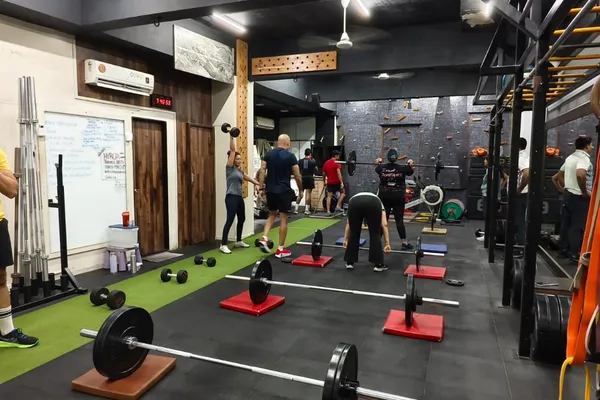
A conversation with a sports medicine doctor—and an unexpected health scare—changed the way I think about exercise, ageing and what it means to stay strong
Charles Assisi
Co-founder and Director | Founding Fuel
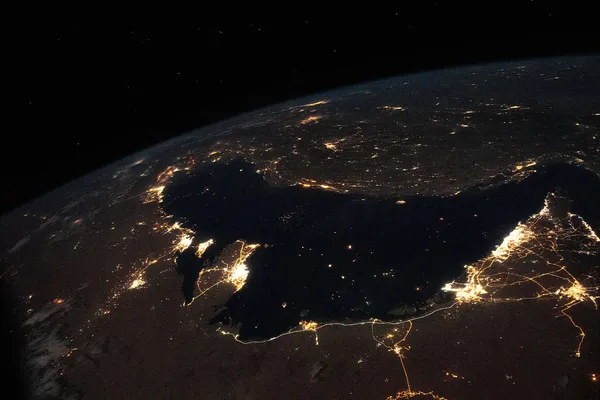
The conflict is no longer just a military confrontation. It is rapidly becoming a struggle over the global energy system, maritime trade and geoeconomic power—with the Gulf caught in the middle

Vivek Y. Kelkar
Researcher, Analyst & Columnist on Geo-economics, Geopolitics and Sustainability

AI has made intelligence abundant. Why, then, is strategy becoming harder?
Debleena Majumdar & Arjo Basu

Artificial intelligence is advancing faster than governments can govern it. A new report argues that extreme AI risks demand a fundamentally different approach to global governance.
Vivek Y. Kelkar
Researcher, Analyst & Columnist on Geo-economics, Geopolitics and Sustainability

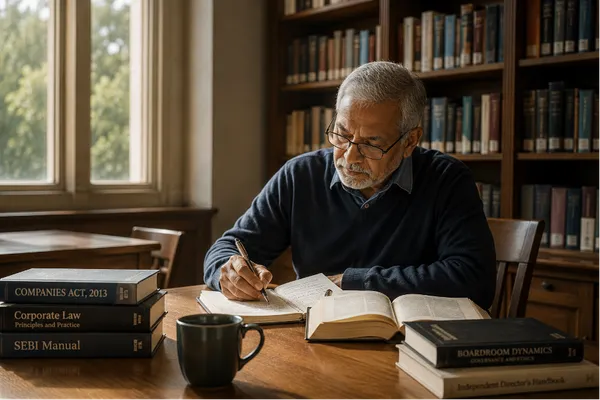
What an examination taught me that four decades of experience could not

Indranil Gupta
Founder Director | BrandNEW Associates
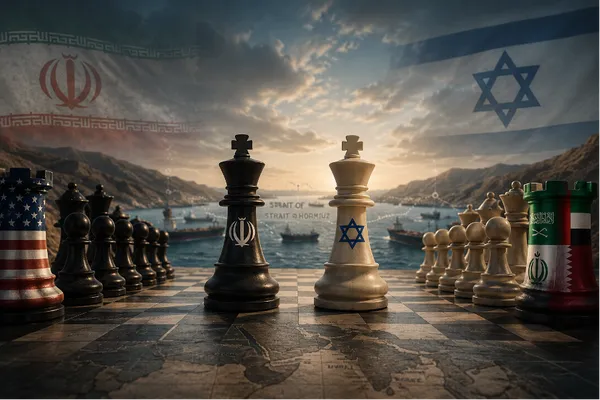
The US-Iran talks in Switzerland may have reduced the immediate risk of war. But they did little to alter the Middle East's underlying balance of power. Iran remains central to the region's strategic calculations, Israel's concerns remain unresolved, and American leverage appears more limited than many assumed.
Vivek Y. Kelkar
Researcher, Analyst & Columnist on Geo-economics, Geopolitics and Sustainability
